
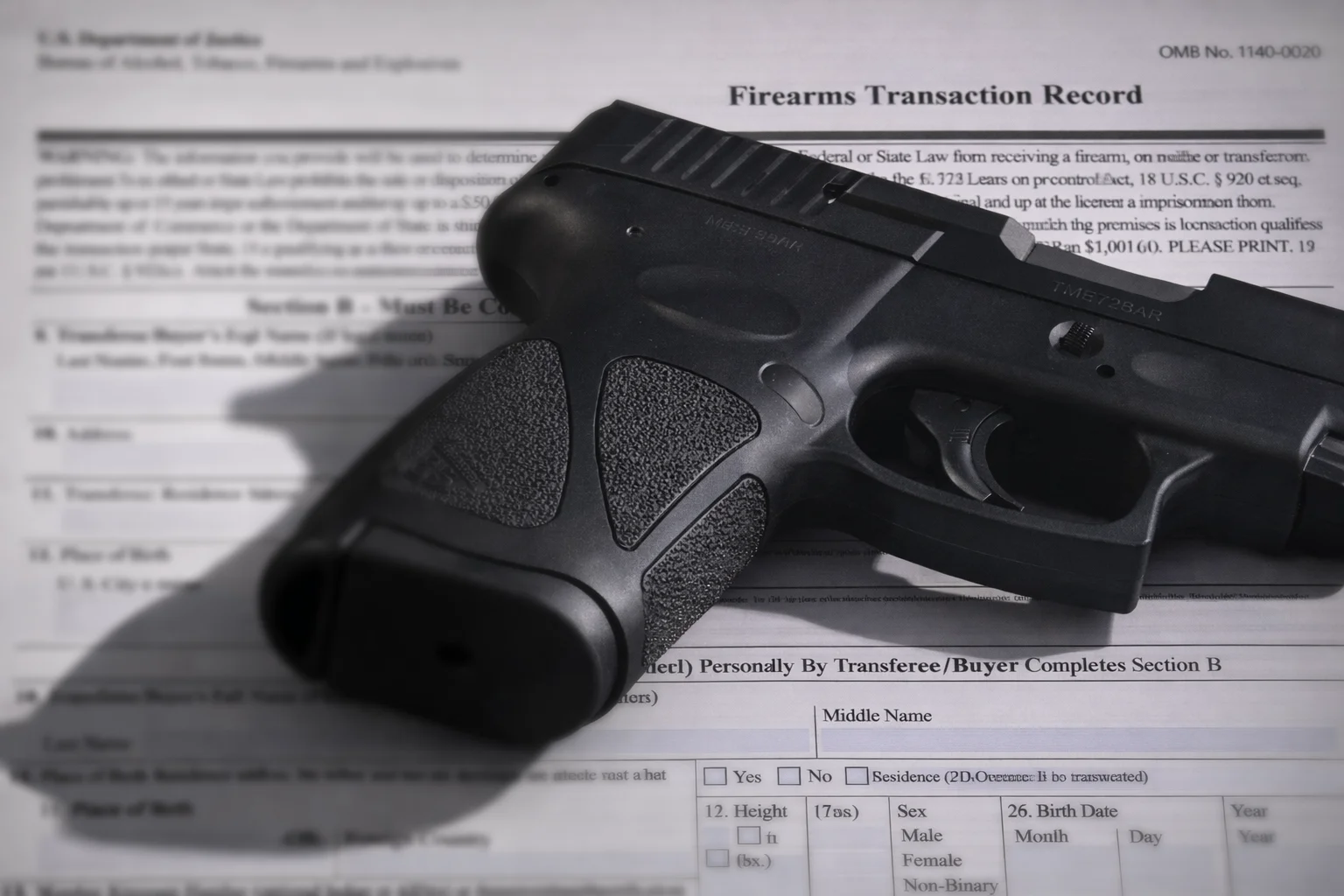
Colorado Lawmakers from Both Parties Seek to Restrict When You Can Buy a Gun
Colorado lawmakers tend to move gun policy in two ways. Some bills are direct and highly visible…clear restrictions that generate immediate attention. Others are less obvious. They are framed as process changes or administrative updates, but they reshape how the system works in ways that ultimately affect access.
Although HB26-1302 falls into that second category, it doesn’t even pretend to NOT be about firearms. The bill itself is titled: Colorado Bureau of Investigation Firearms InstaCheck Unit Operating Hours.
HB26-1302 gives the CBI InstaCheck unit, the system that processes every firearm background check in Colorado, authority to determine its own operating hours.
On its face, that sounds administrative but in Colorado, that is the gateway every lawful purchase must pass through.
The bill is sponsored in part by Democrat Andrew Boesnecker, who has sponsored other egregious Colorado gun control legislation such as the semi-auto ban/permit to purchase scheme that passed in 2025. But on HB26-1302, gun grabber Boesnecker is joined by Representative Anthony Hartsook, a Republican, which makes it harder to dismiss this bill as routine partisan legislation and begs the question of why a Republican is putting his name on gun control in a state where Republicans make up the minority? And this is not Hartsook’s first attempt this year to use the CBI as the mechanism. An earlier bill of his, HB26-1108, also impacted gun owners through administrative means. That bill was eventually tabled.
HB26-1302 positions the state to keep delays in place, even if the courts strike them down
Under current law, a firearm transfer cannot be completed until a background check is processed through InstaCheck. If the system is not operating, the transaction does not move forward.
Currently that system, along with the required operating hours, is dictated by law. HB26-1302 shifts that. It places control of the system’s availability in the hands of CBI, meaning the state would determine when background checks are processed – and by extension, when firearm purchases can be completed.
The reason for that shift is written directly into the bill itself – and it’s because of Colorado’s 3-day waiting period.
In its legislative declaration, the bill states:
“House Bill 23-1219, enacted in 2023, implemented a 3-day waiting period for firearm transfers, which has reduced CBI’s need to provide immediate background check services.”
In short, the justification for changing how and when background checks are processed is that the waiting period already slowed things down, so they might as well be given the authority to slow it down even more.
But that waiting period is not settled law.
It is currently being challenged in Rocky Mountain Gun Owners v. Polis. Courts have allowed the law to stay in place for now, but haven’t decided whether it’s constitutional. And courts in New Mexico, within that same circuit, have already taken action against a similar waiting period, putting Colorado’s version on uncertain footing.
If that law is struck down, the state loses a fixed, statutory delay. If HB26-1302 were to pass, instead of requiring a defined delay in law, it allows the state to influence timing through the system itself. If background checks are only processed during certain hours, or if access to the system is limited, transactions are delayed regardless of the buyer’s eligibility.
What This Means for Gun Owners
For someone attempting to purchase a firearm, the distinction between a delay enacted through a 3-day waiting period, and a system-based delay, is largely irrelevant. In both cases, the purchase cannot be completed until the state allows it to proceed. It does not introduce a new prohibition. It does not change who is eligible to purchase a firearm. But it shifts more authority over when a lawful purchase can be completed into the hands of the state.
In Colorado, there is no alternative path around InstaCheck. If the system is unavailable – whether due to operating hours, capacity limits, or administrative decisions – the transaction stops there.
And if the courts remove the current waiting period, control over that system becomes the remaining mechanism for slowing the process.
Help Us Hold the Line
We read every bill, track every hearing, and expose every attack on your rights.
Your donation powers the tools, outreach, and real time education to stop this madness.
The Second Amendment doesn’t defend itself. We do.